Innovation Lab: AI-Driven Savings
Architecting Predictive Logic for Financial Wellness
STRATEGIC CONTEXT
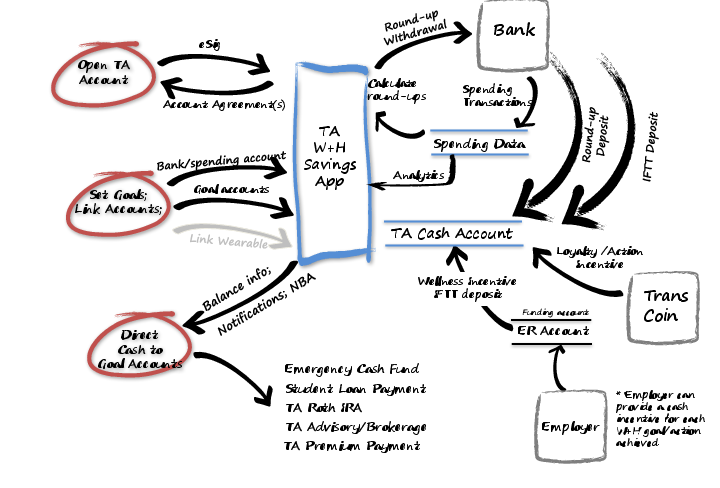
This initiative started as an Innovation Lab to quickly test how AI-driven logic could reduce the "mental load" of personal finance. Using the One Operating System framework, we moved from early sketches to a validated prototype fast.
The core objective was to move beyond static rules and establish a system of Intelligent Automation. By leveraging behavioral signals—goal pace, spending patterns, and progress milestones—the system acts as a silent partner, providing trustable, predictive guidance that scales across the enterprise ecosystem.
Rapid Prototyping & Flow Validation
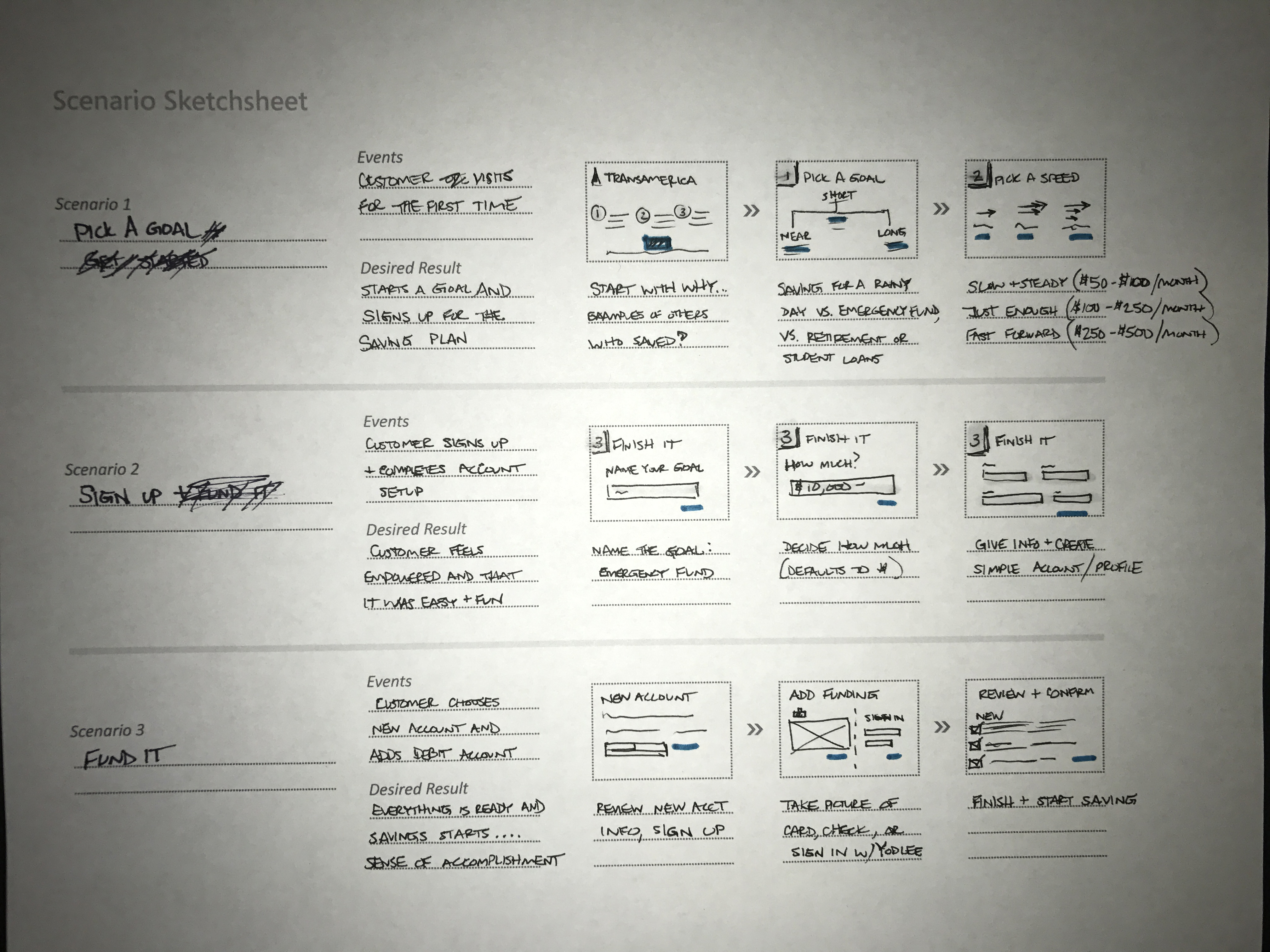
1 — Choice Architecture
We pivoted the entry point from "What are you buying?" to "When do you need it?" By framing goals through time-based horizons (Near, Short, and Long-term), we reduced the cognitive friction often found in restrictive, item-based savings apps.
2 — Pacing Over Speed
To build systemic trust, we introduced Predictive Pacing. Instead of surprising users with volatile rule-based transfers, we established clear, controllable ranges that align with the user’s comfort level, ensuring the experience remains predictable.
3 — Value-First Onboarding
Following the Strategic Bridge model, we reversed the funnel. Users architect their plan first, seeing the immediate value of the AI logic before being asked to commit to account creation and E-signatures.
4 — Frictionless Momentum
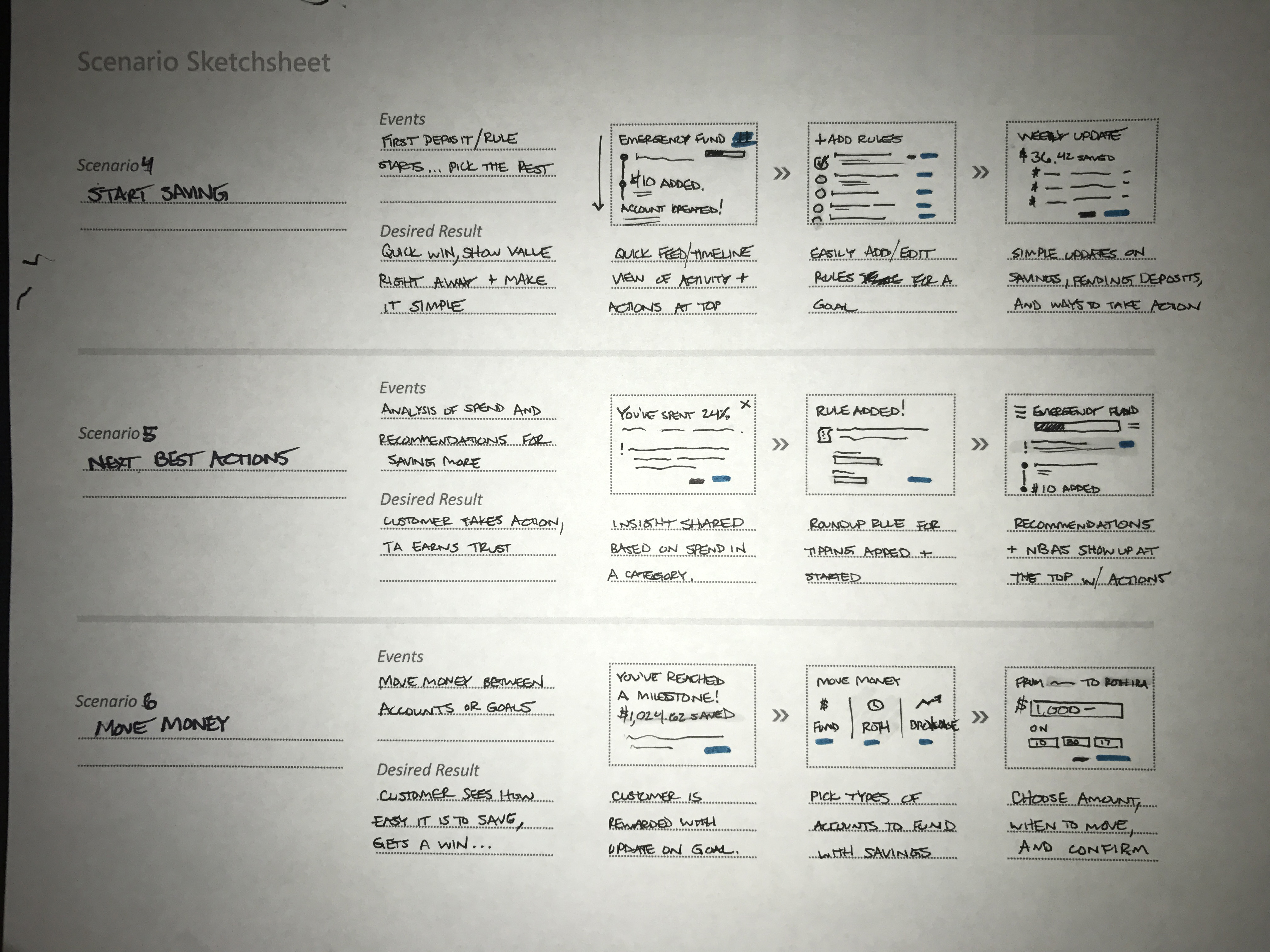
The system defaults to "Starter Rules" that utilize lightweight updates to maintain momentum. The AI logic recommends micro-adjustments when progress slips, transforming generic alerts into actionable insights.
5 — Strategic Tracking
Control is centralized within a unified dashboard. The system synthesizes complex progress data into plain language, highlighting the single most impactful action a user can take each week to meet their ROI targets.
6 — Behavioral Nudges
We established a library of Human-Centered Rules. These aren’t just alerts; they are behavioral nudges that pair progress milestones with employer-sponsored incentives, de-risking the journey to financial wellness.
Conversational Intelligence
Defining the "Strategic Voice" of an automated partner.
Predictive Insight: “You spend 24% more on dining out than your peer group. We challenge you to eat out one less night per week. If you succeed, your employer will deposit $25 to your goal.”
Systemic Feedback: “You completed week 24 of 52. $4.53 has been moved to your emergency fund based on your current pace.”
Proactive Optimization: “It looks like you are paying 28% of your income on student debt. Our consolidation logic could lower your monthly payment. Want to explore options?”