Encore Dental: Systemic Product Strategy
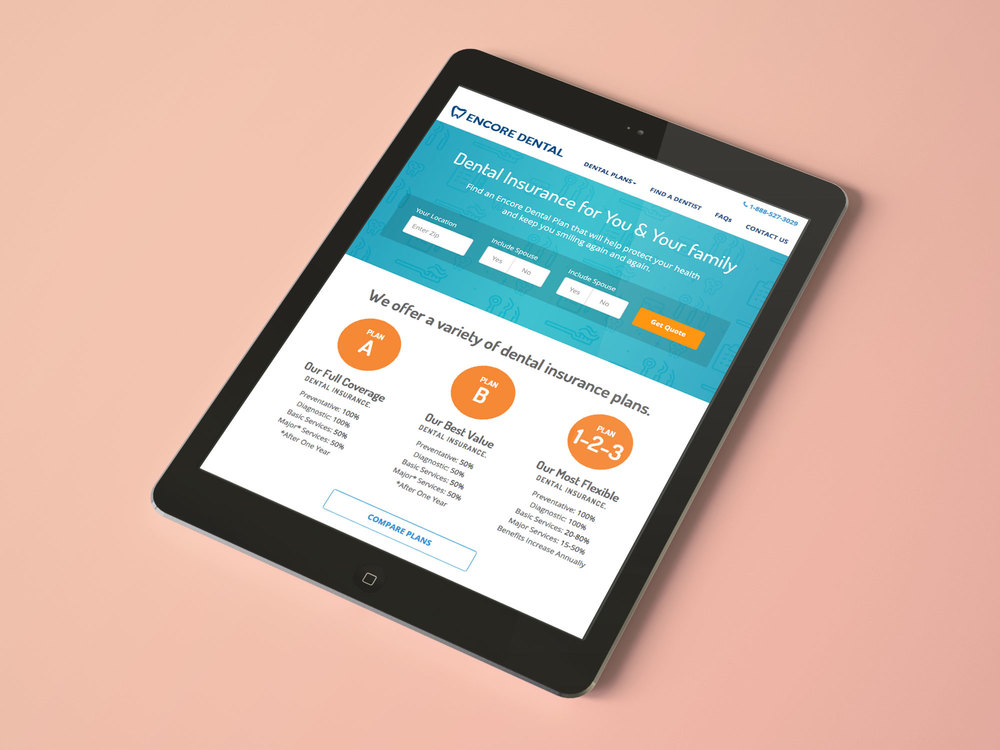
The Encore Dental project focused on modernizing a legacy desktop experience into a responsive, easy-to-use journey. Using a One Operating System approach, complex multi-tier insurance offerings - including Plan A, Plan B, and the graduated Plan 1-2-3 - were simplified into a unified framework that reduced the mental load for customers looking for clear coverage answers.
As the Strategic Bridge for this initiative, I coordinated the architectural shift required to deliver clear pricing, benefits, and “Find a Dentist” self-service tools across all viewports. This work established the trusted foundations for Encore’s modern digital presence, ensuring a consistent brand experience from first quote to final claim.
At a Glance
The Project: Encore Dental Responsive Onboarding & Self-Service Hub
The Role: Experience Design Lead
The Impact: Orchestrated the translation of complex tiered insurance logic (Plans A, B, 1-2-3) into a mobile-first UI; Streamlined find-a-dentist and claims workflows.
The Outcome: Shipped a performance-optimized, accessible ecosystem that provides absolute clarity on benefits and pricing for the mobile user.
Challenge, Approach, Outcome
The Situation
Encore Dental offered highly competitive insurance options, but the existing digital experience was anchored on legacy desktop patterns. The “mental load” of comparing Plan A (Full Coverage) against Plan B (Best Value) or the graduated benefits of Plan 1-2-3 was unsustainable for customers on small viewports. The business needed a unified system to clarify these choices and drive mobile conversion.
The Task
My objective was to architect a responsive ecosystem that simplified the quote-to-coverage journey. I needed to bridge the gap between the complex backend logic of tiered dental benefits and the customer’s need for a quick, touch-enabled self-service experience that worked as one cohesive system.
The Actions
Systemic Architecture: Led the translation of multi-tier insurance products into modular UI components. I orchestrated the validation of our information architecture through card-sorting and weekly user testing, ensuring that labels for preventative, diagnostic, and major services remained clear across all devices.
Logic Prototyping: Directed the creation of high-fidelity Axure prototypes to validate the "Find a Dentist" and quote engine logic. By treating the experience as One Operating System, engineering and business stakeholders aligned on a content-first strategy that prioritized load time and usability.
The Results
The MVP launched as a content-optimized, performance-minded reality. By establishing a unified foundation for the Encore brand, we delivered a mobile experience that empowers users to understand their benefits with confidence, drastically reducing the friction between product research and final enrollment.
The Legacy Context: Systemic Friction
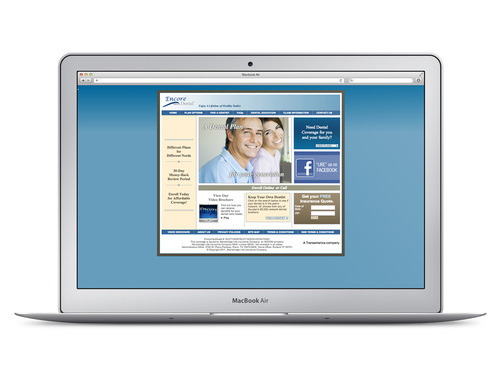
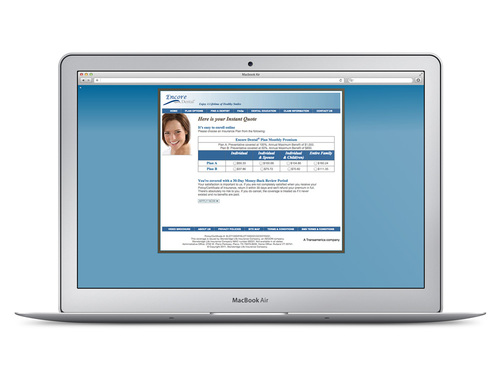
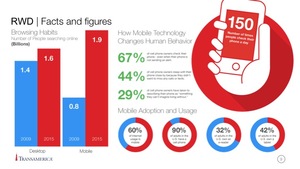
The original experience worked on desktop but did not scale down cleanly for mobile. The baseline below shows the starting point before the responsive transformation.
Methodology: Content-First Delivery
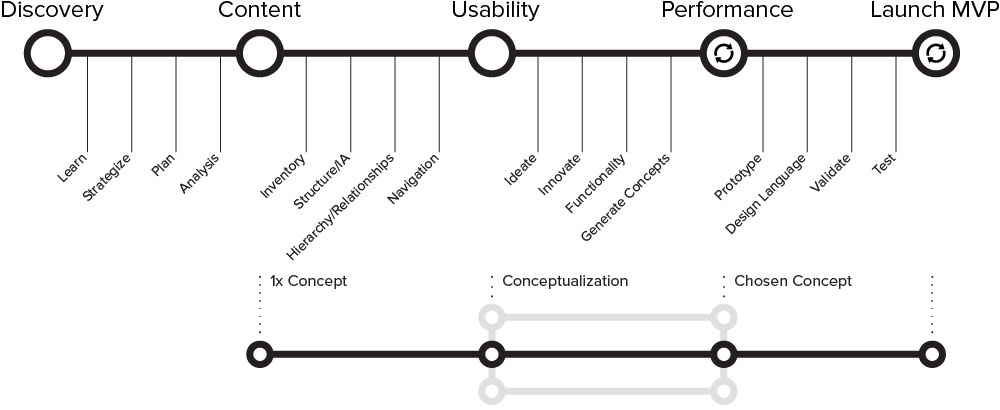
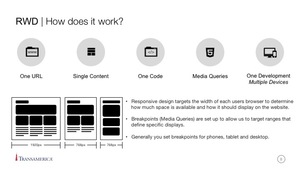
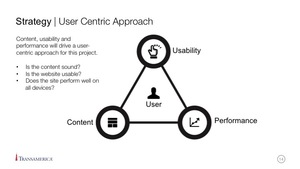
The approach was guided by three drivers: clarity, usability, and performance. A lean, collaborative workflow kept design and engineering aligned early to reduce rework and maintain architectural integrity.
Process: Orchestrating the Ecosystem
Discovery & Alignment
Strategic Kickoff
The work started by aligning stakeholders on vision, scope, and success measures. This deck established the shared language for delivery, clarifying the “what, why, and how” of the responsive ecosystem transformation.
Systemic Validation: Data-Driven IA
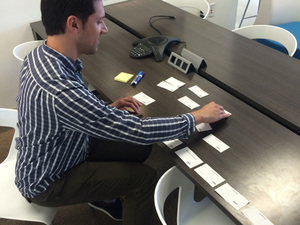
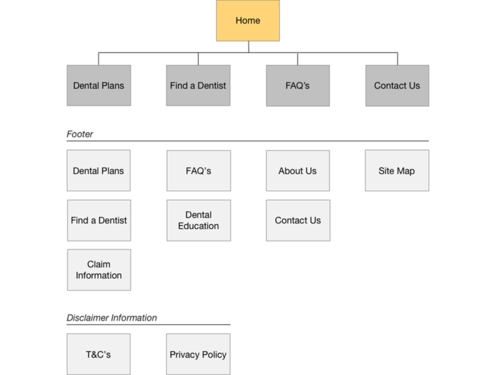
After reaching 100+ customers through outreach, feedback confirmed that plan coverage and pricing were the primary drivers of confidence. Labeling assumptions for Plan A, B, and 1-2-3 were validated using OptimalSort and open card-sorting sessions before moving into a simplified structure.

High-Velocity Iteration
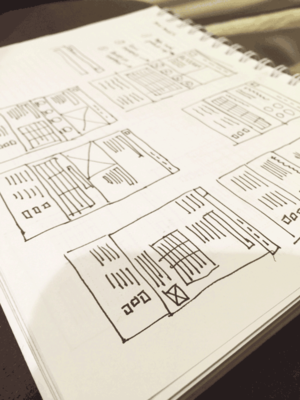
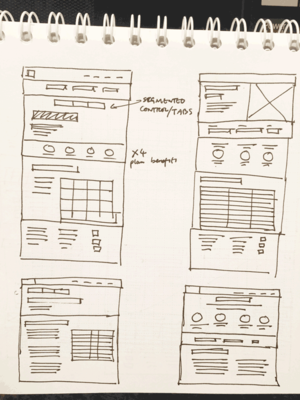
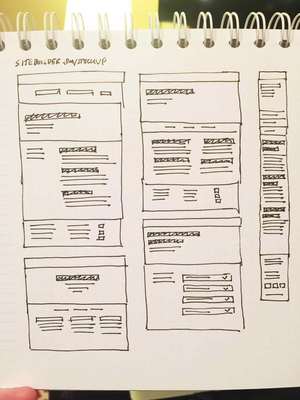
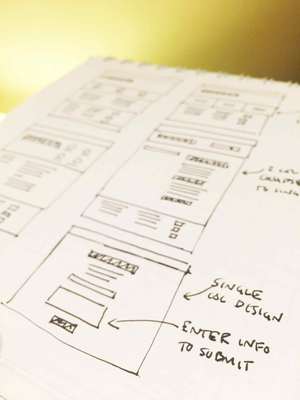
Thumbnail layouts were rapidly sketched and translated into Axure with real content. The prototype served as a shared reference for business and development—capturing Plan 1-2-3 requirement behaviors and content in one place.

Usability: Optimizing the Logic
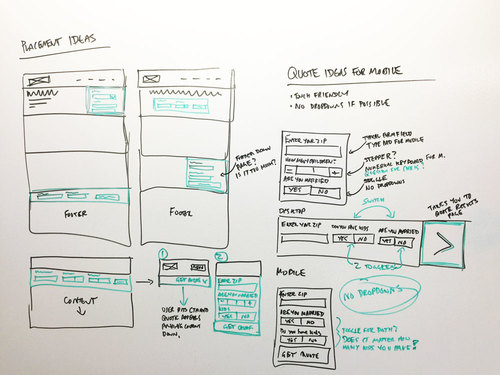
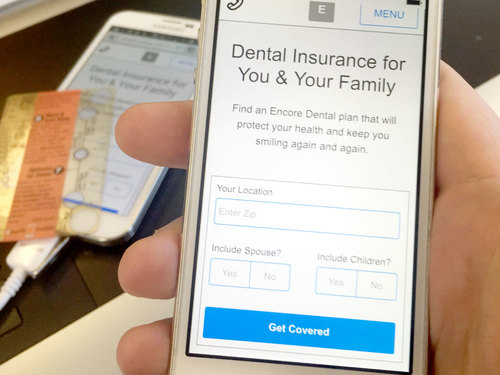
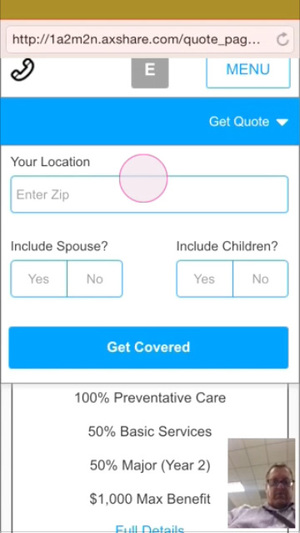
The quote engine was re-architected to be touch-enabled and accessible. Testing revealed that a simplified toggle approach reduced friction, ensuring the quote tool remained simple for mobile users.
Mobile Validation (UX Recorder)
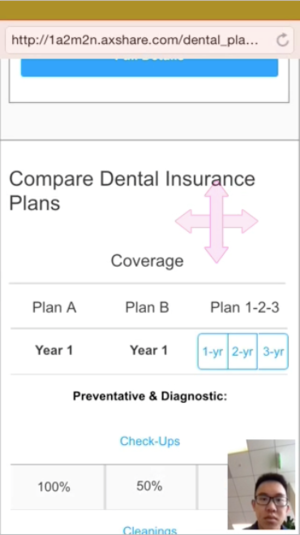
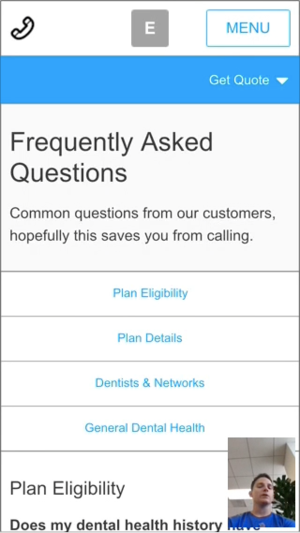
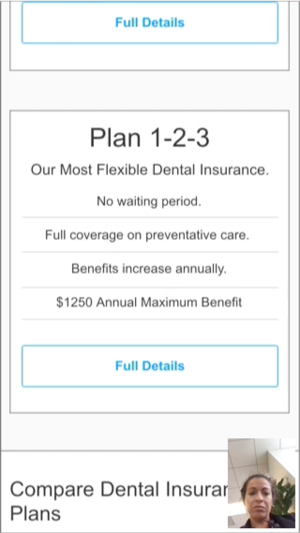
The experience was loaded into on-device testing environments to learn from real-world assumptions. Task-based sessions captured both screen behavior and user reactions to the new mobile logic.
The Validated System
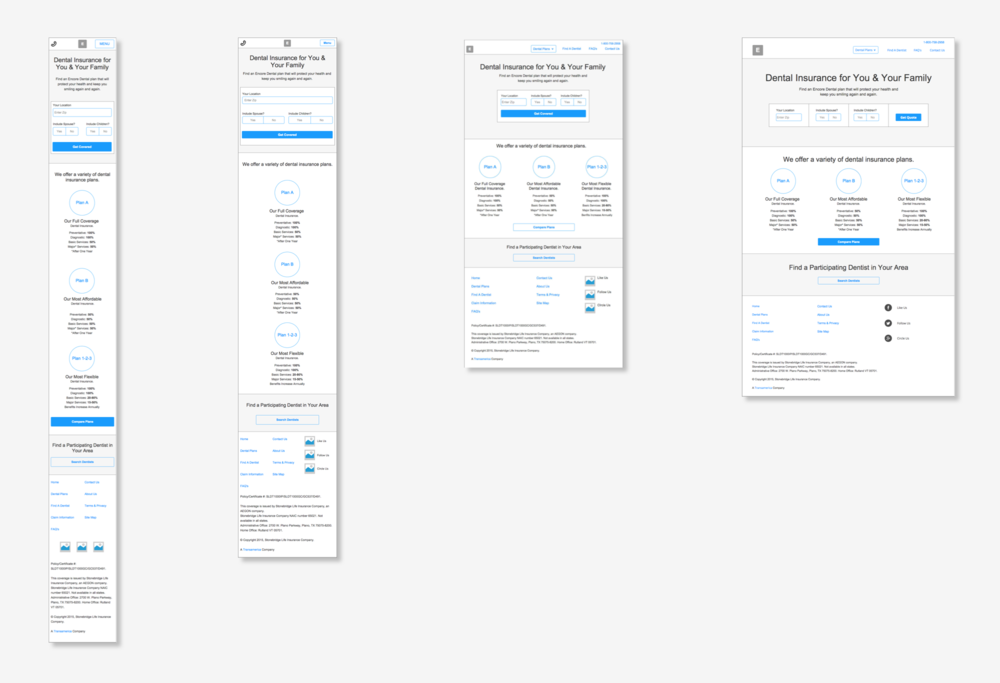
This image shows screenshots of the four primary viewports built in Axure, serving as the “One OS” blueprint for technical delivery.
Performance & Scale
Design Experimentation
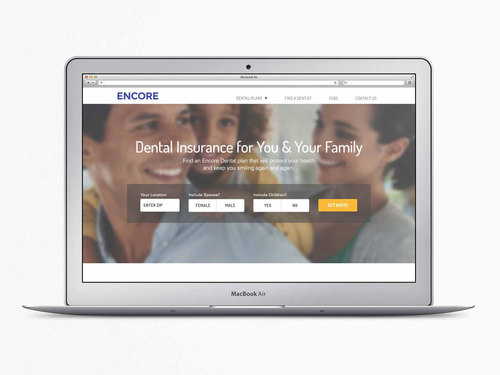
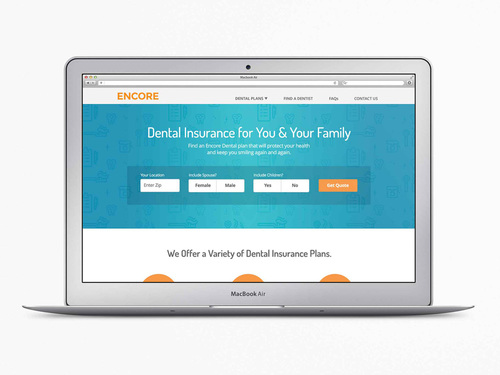
Landing page directions were stress-tested with users to learn which created a stronger connection. Users responded overwhelmingly to the content-forward direction, which also optimized load times across the ecosystem.
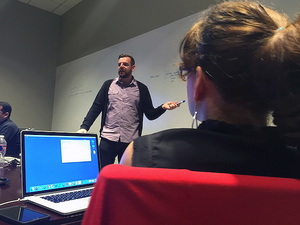
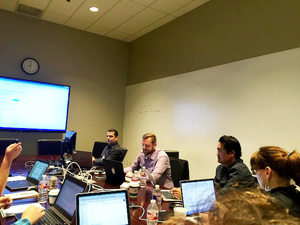
Development Workshop
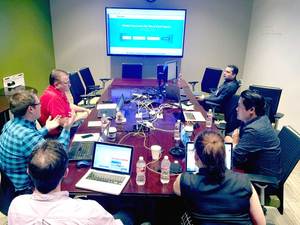
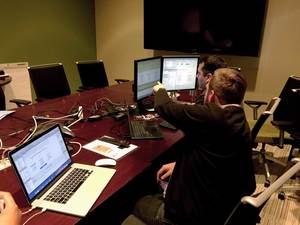
A 3-day working session aligned stakeholders, engineering, and design on priorities, dependencies, and the MVP release schedule.
Launch MVP: High-Performance Ecosystem
The result was a performance-minded, accessible responsive dental insurance hub that established a new standard for customer self-service.