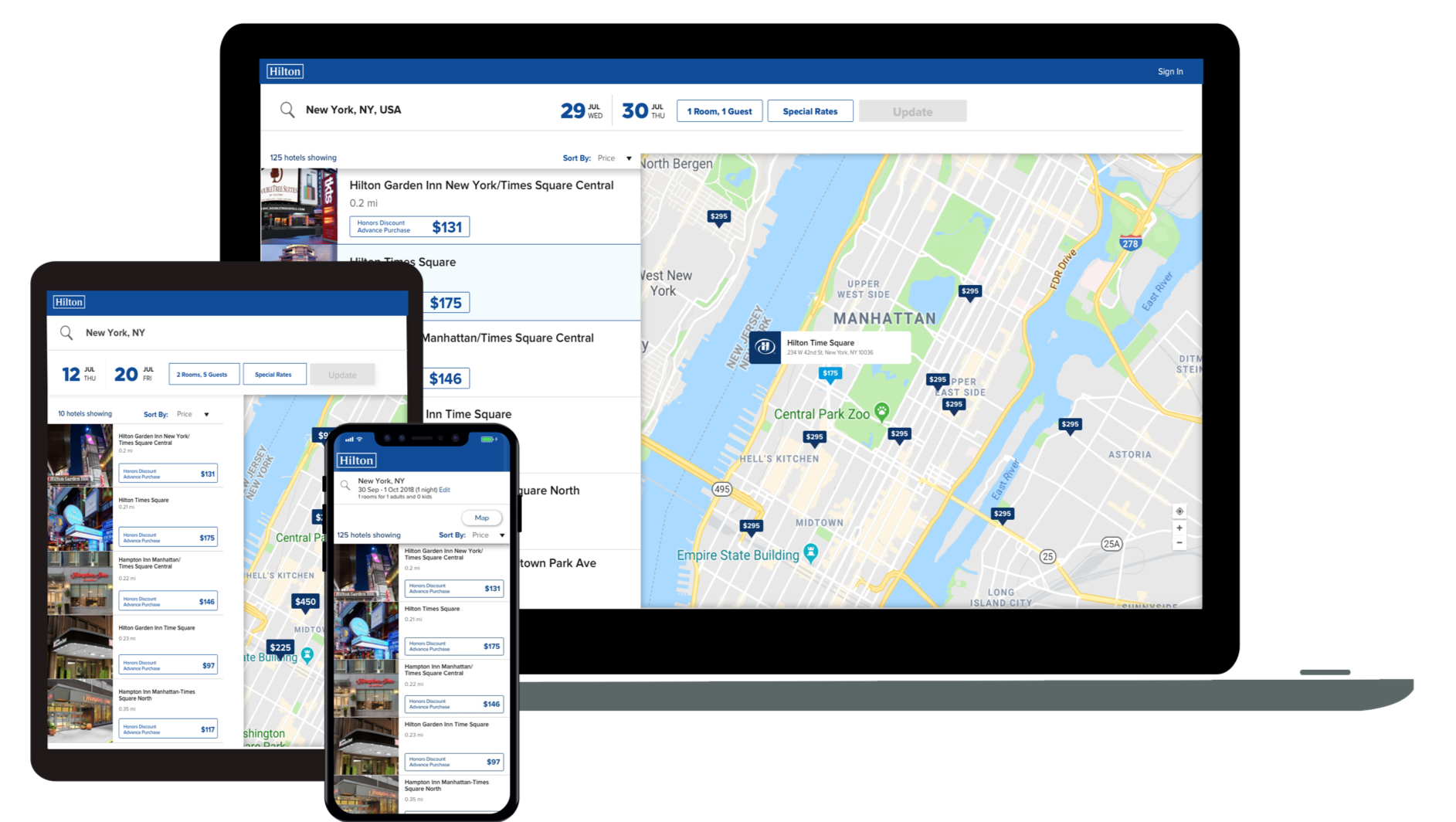
Hilton: Systemic Discovery & Growth Strategy
The Hilton Hotel Search Engine is a key gateway for millions of travelers. This work focused on reducing decision overload so guests could compare options and find the right stay faster. Using a One Operating System approach, guest discovery was aligned with acquisition goals to create a consistent search experience across touchpoints.
Acting as the Strategic Bridge between business vision and technical execution, the initiative established a resilient framework that prioritizes content clarity and performance across both web and app environments. By synchronizing scanning patterns and search result logic, the project ensured that guests could transition between devices without friction, maintaining momentum from first search to final reservation.
At a Glance
The Project: Hilton Synchronized Hotel Search & Booking Engine
The Role: UI/UX Strategy & Design Leadership
The Impact: Eliminated device-switching friction by synchronizing web and app search results; Optimized logic for high-conversion discovery.
The Outcome: Shipped a cohesive, resilient search experience that scales across global markets and maintains cross-platform parity.
Challenge, Approach, Outcome
The Situation
While the business was aligned on growth, the existing search engine faced significant friction on mobile viewports. The weight of weighing multiple hotels, prices, and locations created a fragmented journey that slowed guest discovery. Furthermore, a lack of consistency between the web and app experiences often caused users to stumble when switching devices. Hilton required a unified architecture that felt fast, touch-friendly, and perfectly synchronized across all digital entry points.
The Task
The objective was to architect a responsive search ecosystem that ensured the product vision was successfully translated into a high-trust booking environment. This required bridging the gap between massive global inventory and the guest’s need for immediate clarity—and cross-platform parity—during the discovery and comparison phases.
The Actions
Ecosystem Orchestration: Developed a unified delivery model for search assets. By coordinating with SEO, analytics, and content teams, the project established a shared language for the redesign, ensuring that search result density and scanning patterns functioned as a single, integrated system across both web and mobile app platforms.
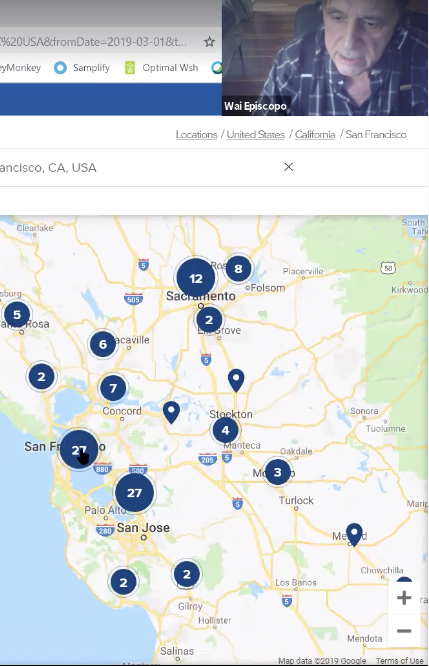
Cross-Platform Synchronization: I directed the creation of modular search patterns and predictive autocomplete logic that behaved identically on all devices. By focusing on a foundation of reuse and speed, the team was able to allow for high-velocity validation of map interactions and filter behaviors, ensuring the guest never had to re-learn the interface when moving from laptop to smartphone.
The Results
The deployment of the optimized Hilton search engine provided a resilient infrastructure for digital success. By establishing these trusted foundations, we drastically reduced the friction in the guest journey, ensuring the brand experience was delivered consistently across every device and reinforcing the Hilton promise of effortless hospitality.
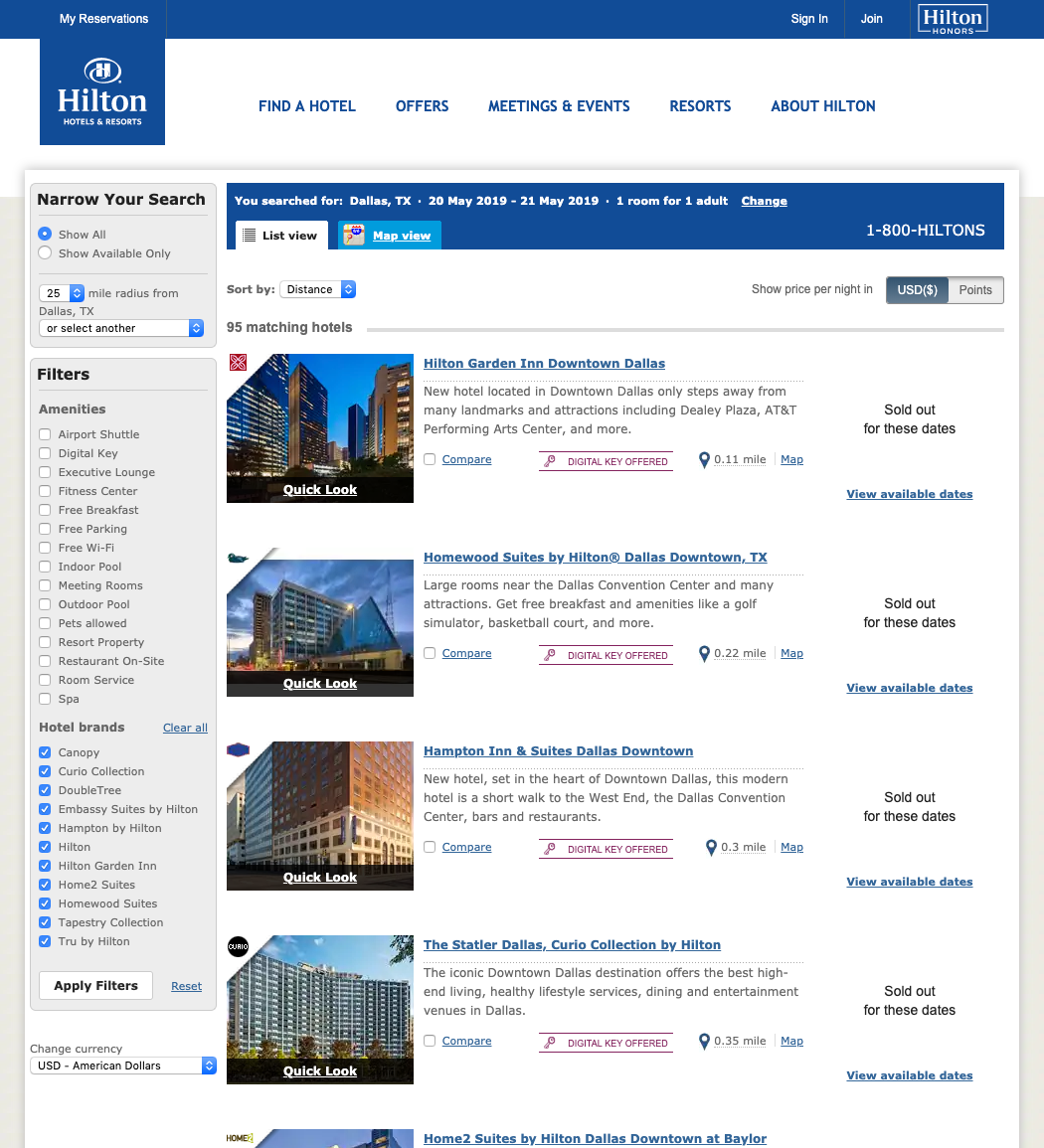
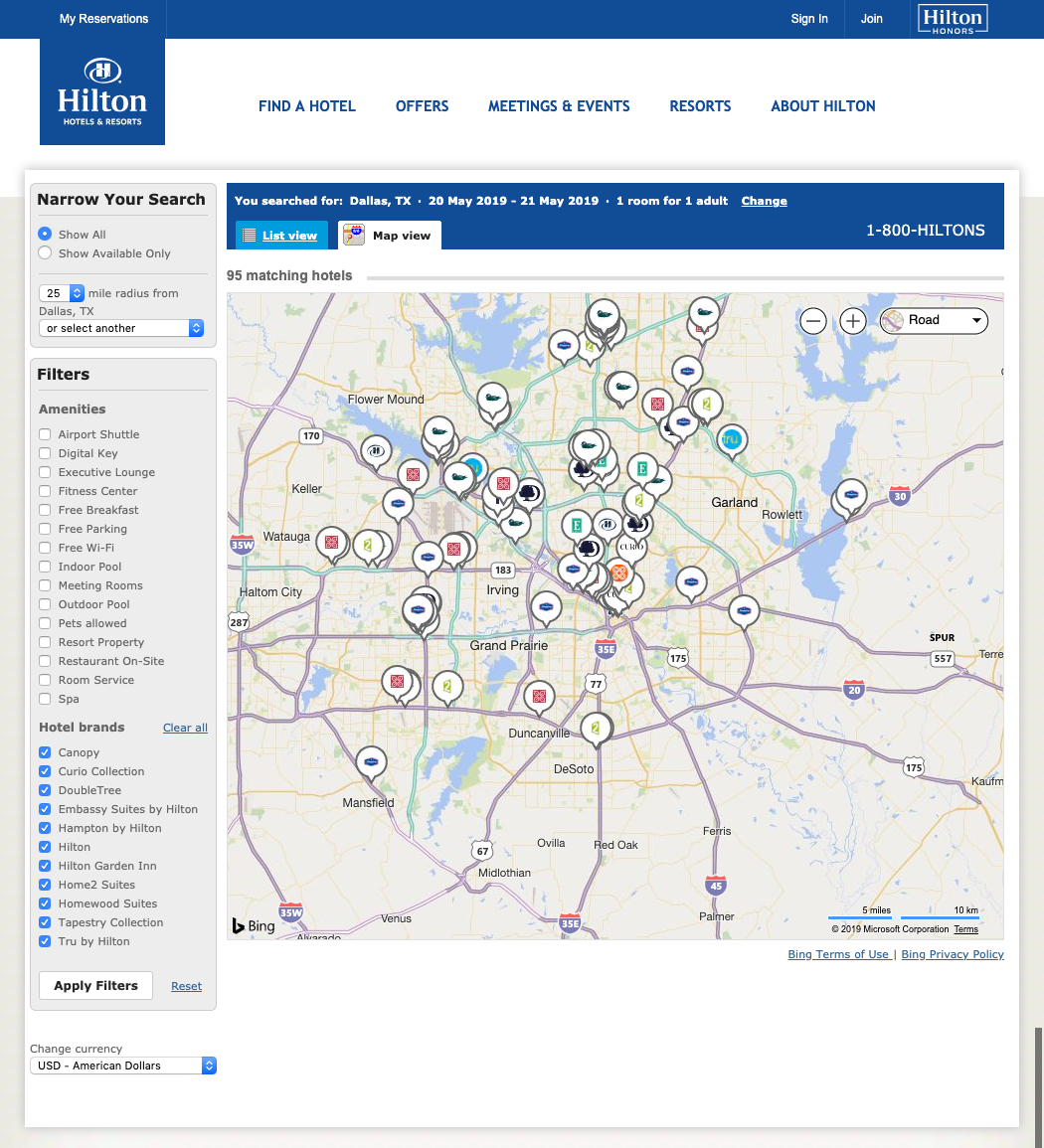
The Legacy Context: Fragmented Discovery
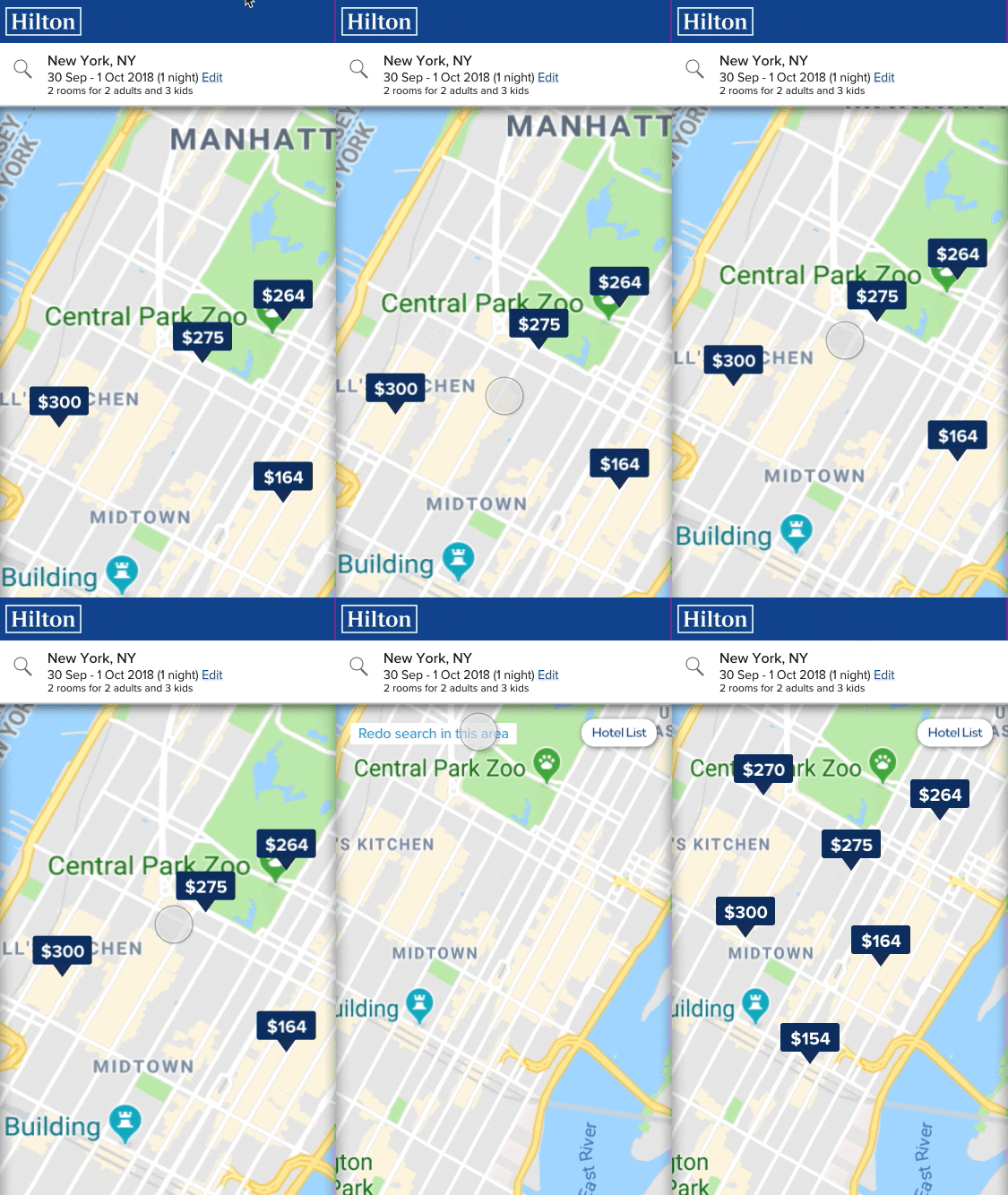
The baseline experience supported search and map exploration, but key interactions required stronger mobile behavior and clearer filtering. The images below capture the starting point before the systemic redesign.
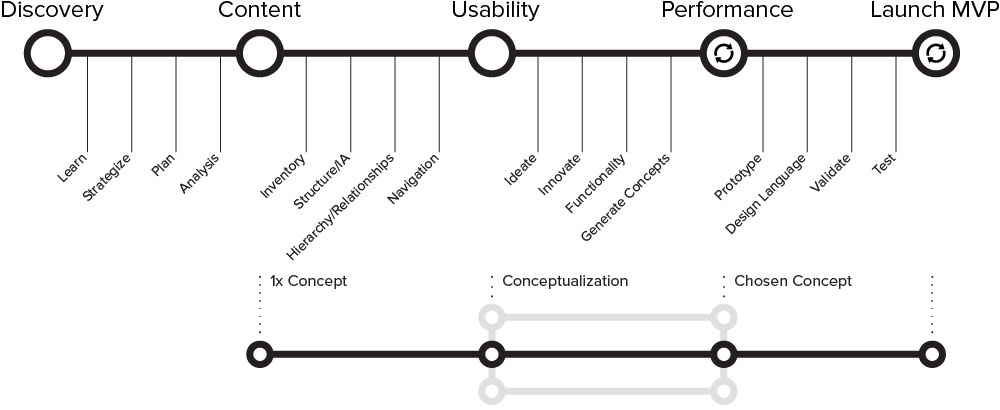
Methodology: Content, Usability, Performance
The transformation was guided by three systemic drivers to ensure architectural integrity. A lean, collaborative workflow kept design and engineering teams aligned early to reduce rework and maintain high-velocity decision-making.
Process: Orchestrating the Discovery Journey
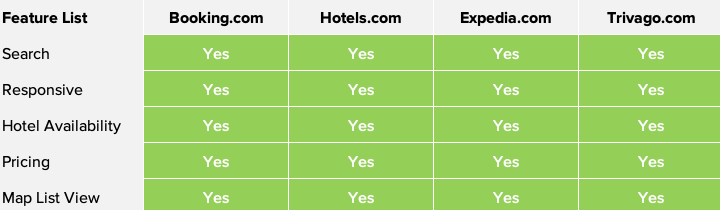
Systemic Benchmarking
Competitive analysis across the hospitality sector identified opportunities to differentiate through narrative clarity and mobile-first search patterns.
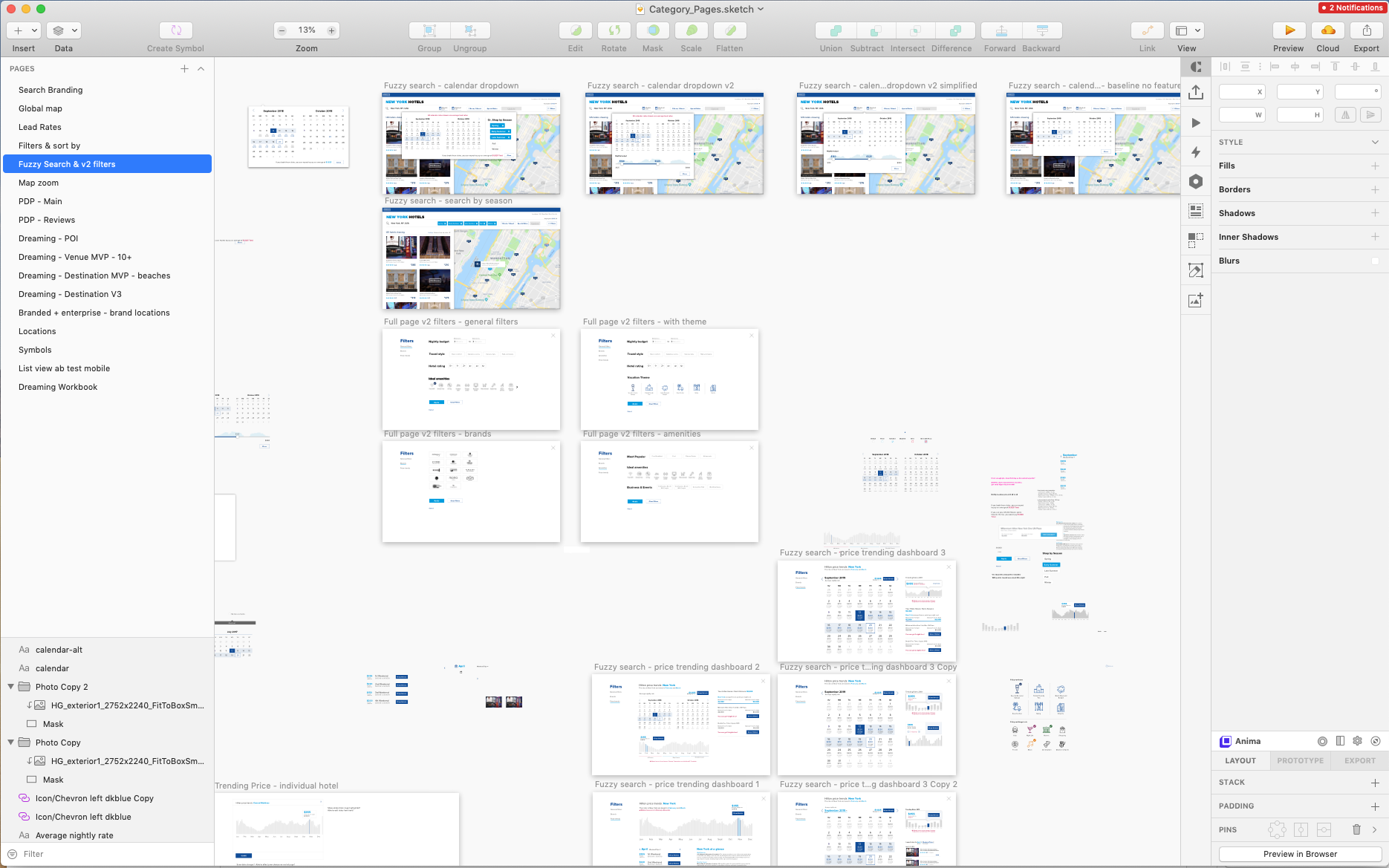
Architectural Governance: The Blueprint
A Sketch-based system served as the living source of truth for business and engineering. This allowed the team to validate logic assumptions quickly and move into implementation with absolute clarity on interaction details.
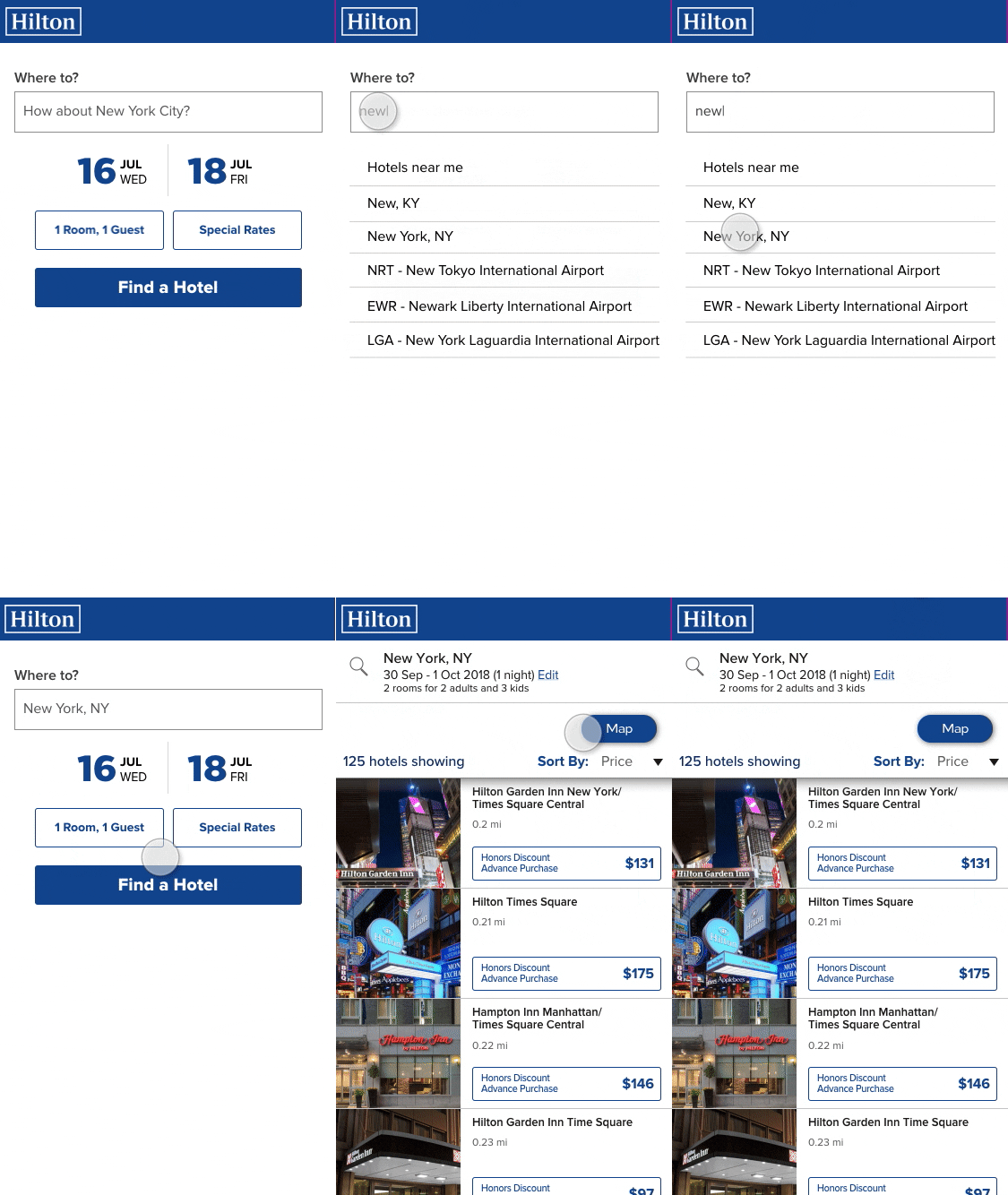
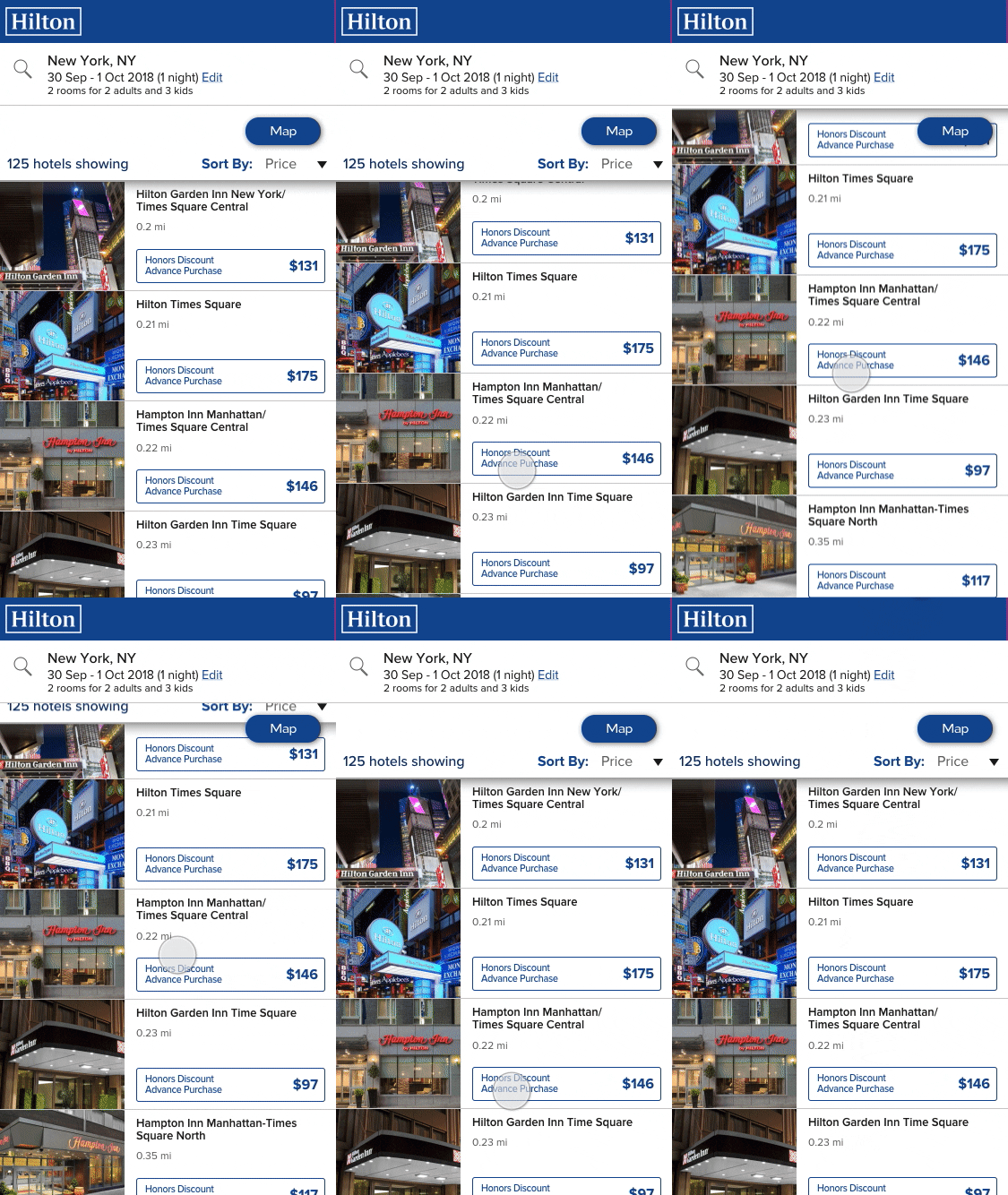
Usability: Optimizing the Search Logic
The goal was a search engine that felt fast, intuitive, and touch-enabled. Patterns for autocomplete, sticky filtering, and map search were explored and validated to ensure they supported the guest’s need for immediate discovery.
Validation: High-Velocity Feedback
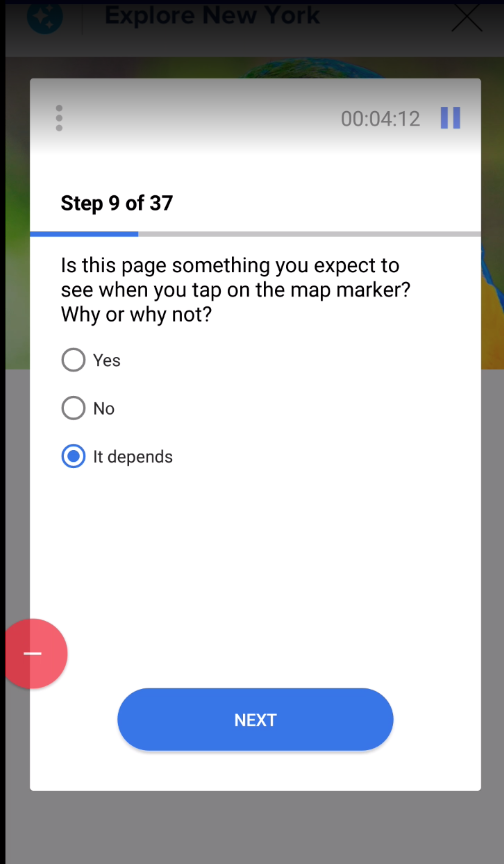
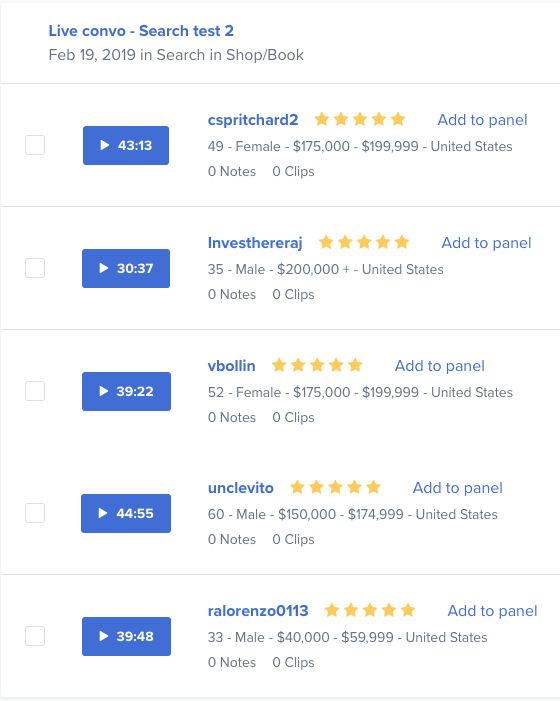
Responsive viewports were stress-tested through task-based sessions. By utilizing a “Feedback Friday” rhythm, the team synthesized findings from UserTesting.com to apply targeted adjustments as the experience continued to evolve.
Final Output: A Unified Search Ecosystem
The result was a performance-minded, responsive hotel search and booking experience that establishes a high-velocity foundation for Hilton’s global digital future.