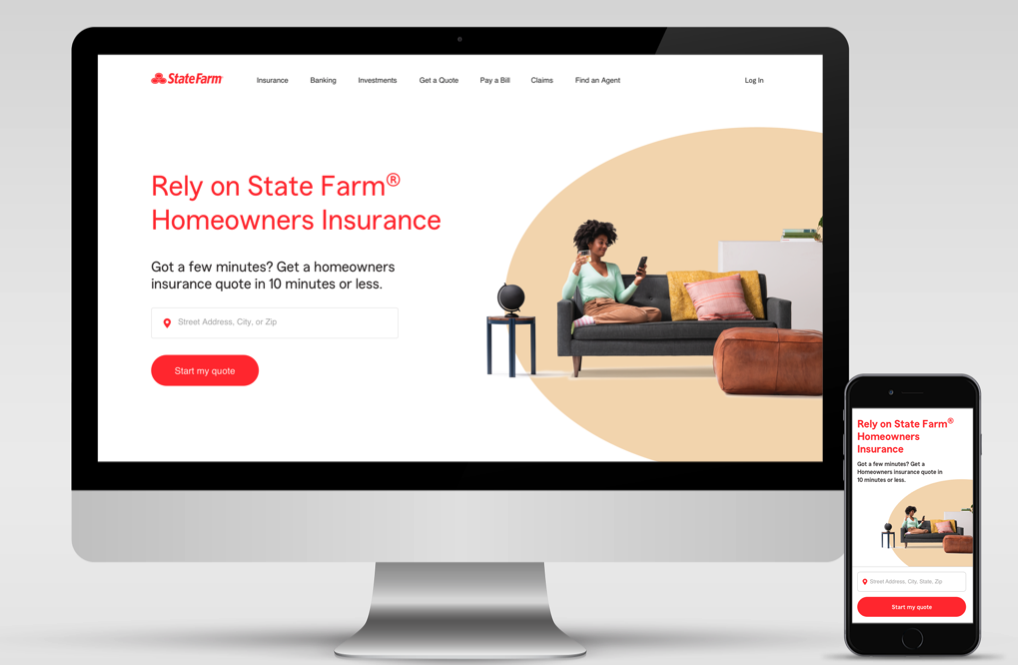
State Farm: Systemic Quote Optimization
This work modernized a high-friction legacy quote flow into a consistent, responsive experience. Using a One Operating System approach, complex homeowners requirements were aligned with enterprise growth goals - making the path to purchase easier for customers and easier for teams to improve over time.
Acting as the Strategic Bridge between business vision and technical execution, the initiative focused on resolving the cognitive friction of administrative density. By streamlining the onboarding journey, the project established a resilient framework that allows prospects to move from intent to quote with absolute clarity and confidence across every touchpoint.
At a Glance
The Project: State Farm Homeowners Responsive Quote Flow
The Role: Experience Design Lead
The Impact: Reduced user drop-off by eliminating administrative hurdles; Synchronized legacy data tiers with a mobile-first interface.
The Outcome: Shipped a high-velocity, simplified quote experience that balances rigorous underwriting needs with effortless customer usability.
Challenge, Approach, Outcome
The Situation
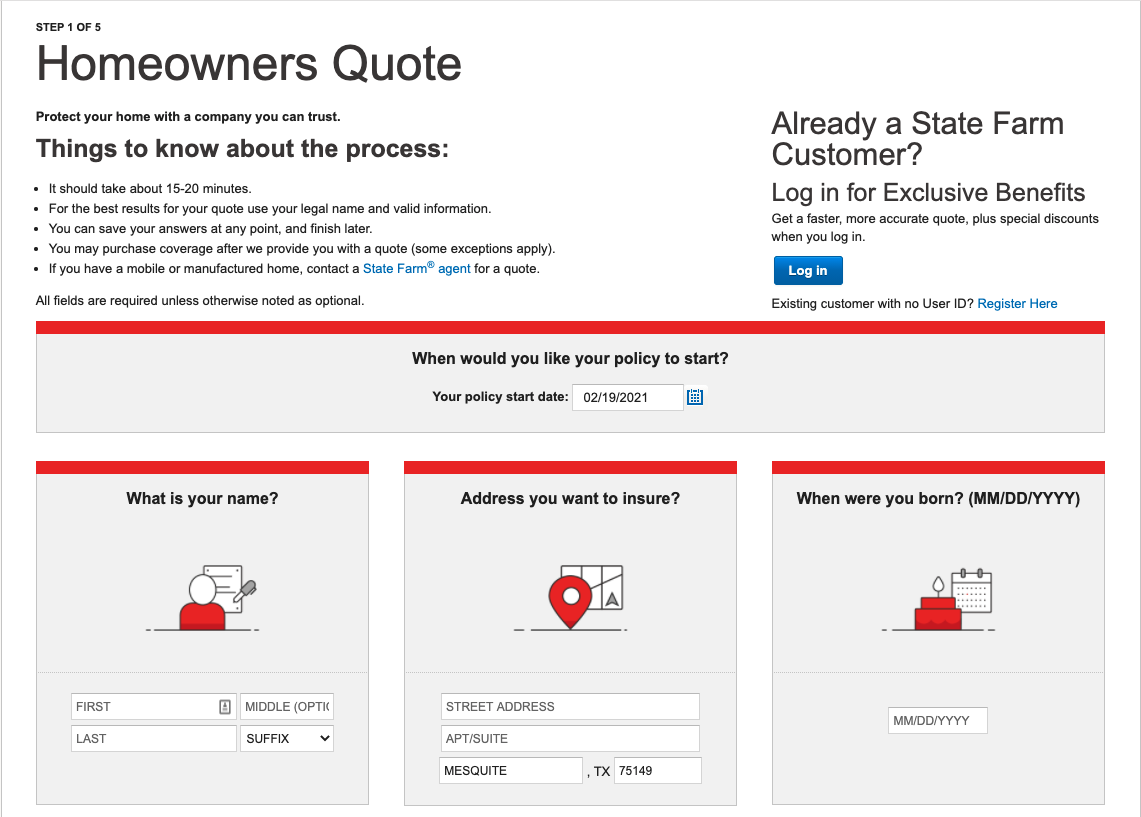
While State Farm remained a market leader, the legacy homeowners insurance flow created significant operational drag on mobile viewports. The process required extensive manual input early in the journey, leading to high cognitive friction and abandonment. The business required a unified architecture that felt fast, intuitive, and capable of converting prospects into policyholders with minimal effort.
The Task
The objective was to architect a responsive quote ecosystem that ensured the product vision was successfully translated into a high-trust onboarding environment. This required bridging the gap between complex insurance logic (PCU/PCA) and the user’s need for immediate progress during a multi-step financial transaction.
The Actions
Ecosystem Orchestration: Developed a unified delivery model for the quote engine. By coordinating with analytics, product leads, and content strategists, the project established a shared language for the redesign, ensuring that property data lookups and coverage selections functioned as a single integrated system.
Architectural Governance: I directed the creation of modular interaction patterns and high-fidelity Sketch prototypes. By focusing on a foundation of reuse and speed, the team was able to allow for high-velocity validation of touch-friendly UI movements and logic sequences before final implementation.
The Results
The deployment of the optimized State Farm quote engine provided a resilient infrastructure for continued digital success. By establishing these trusted foundations, we drastically reduced the “mental load” of the insurance application process, ensuring that the “Good Neighbor” brand promise was delivered consistently across the entire digital ecosystem.
The Legacy Context: Administrative Density
The legacy flow required excessive user input early and was difficult to scan on mobile viewports. The baseline below captures the starting point before the systemic responsive redesign.
Methodology: Content, Usability, Performance
The transformation was guided by three systemic drivers to ensure architectural integrity. A lean, collaborative workflow kept design and engineering teams aligned early to reduce the “rework loop” and maintain high-velocity decision-making.
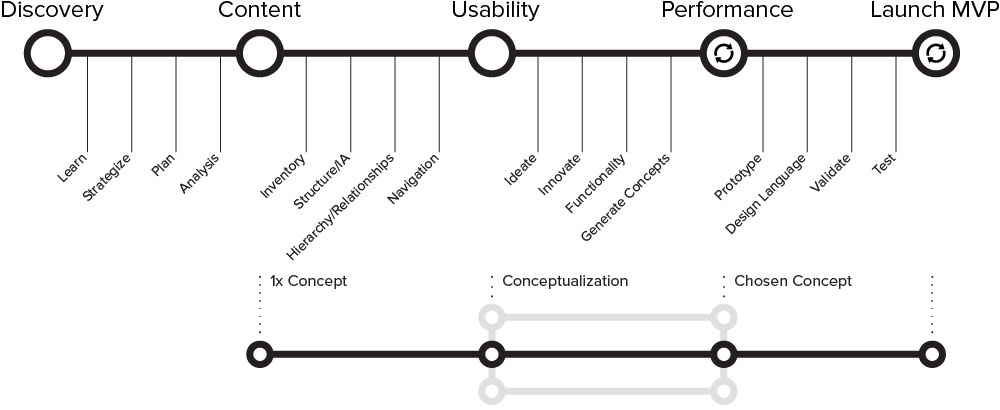
Process: Orchestrating the Quote Journey
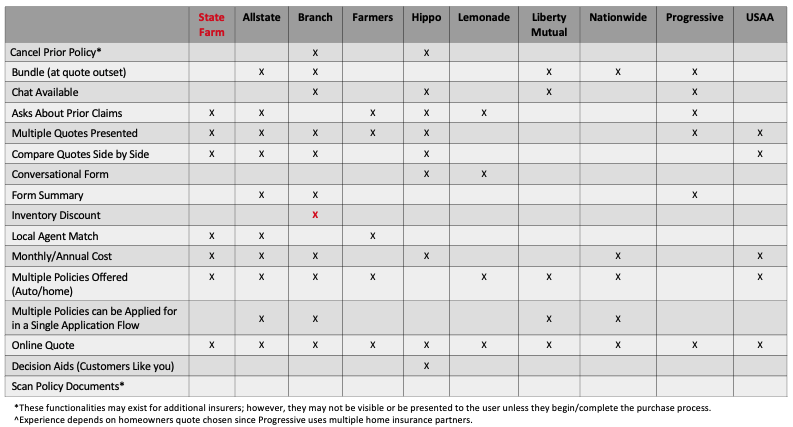
Systemic Benchmarking
Competitive landscape audits identified opportunities to earn an edge through clearer content, lower-friction interactions, and superior mobile behavior.
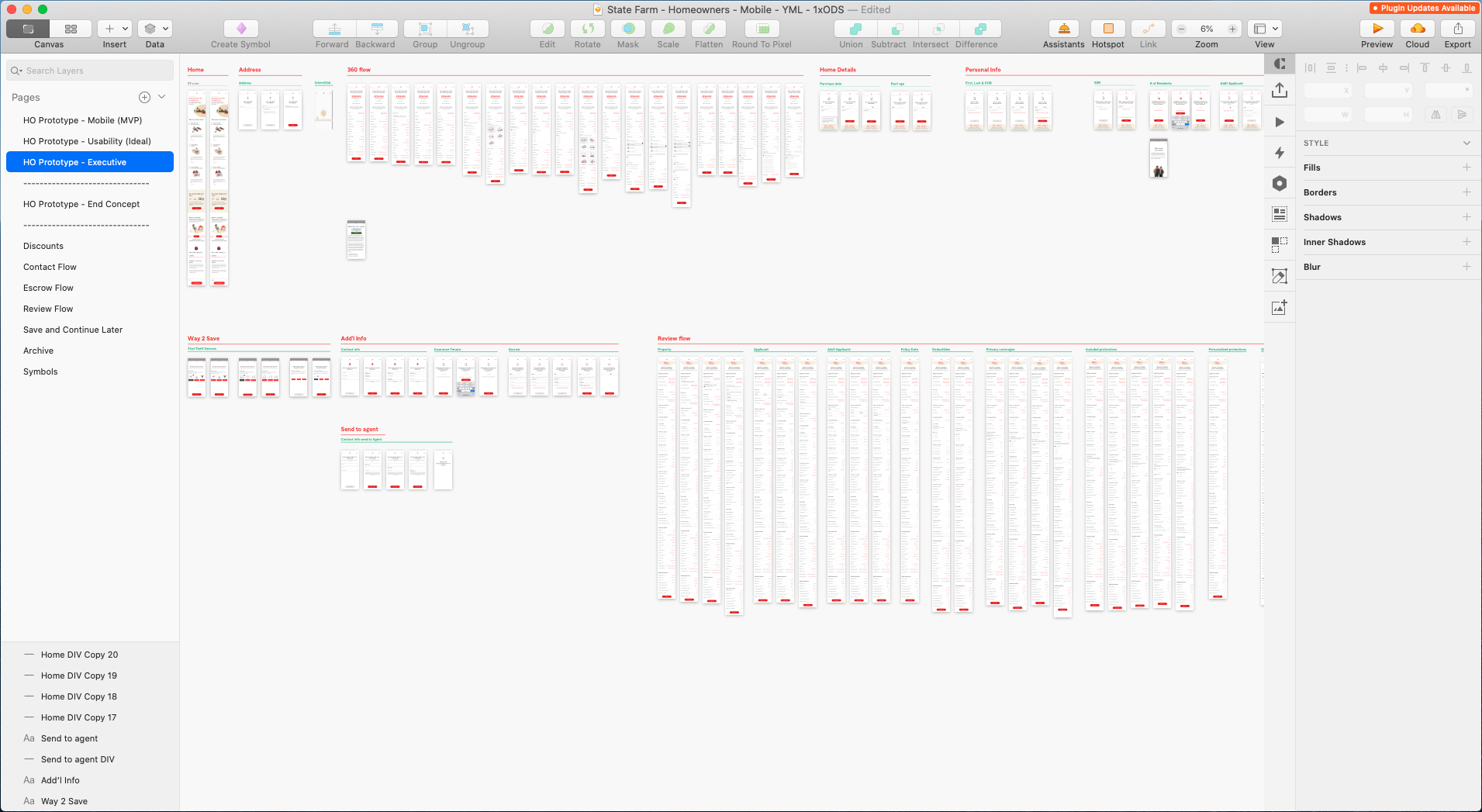
Architectural Governance: The Prototype
A Sketch-based system served as the living source of truth for business and engineering. By maintaining a current, high-fidelity reference, the team validated logic assumptions quickly and moved into implementation with absolute clarity.
Usability: Optimizing the Logic
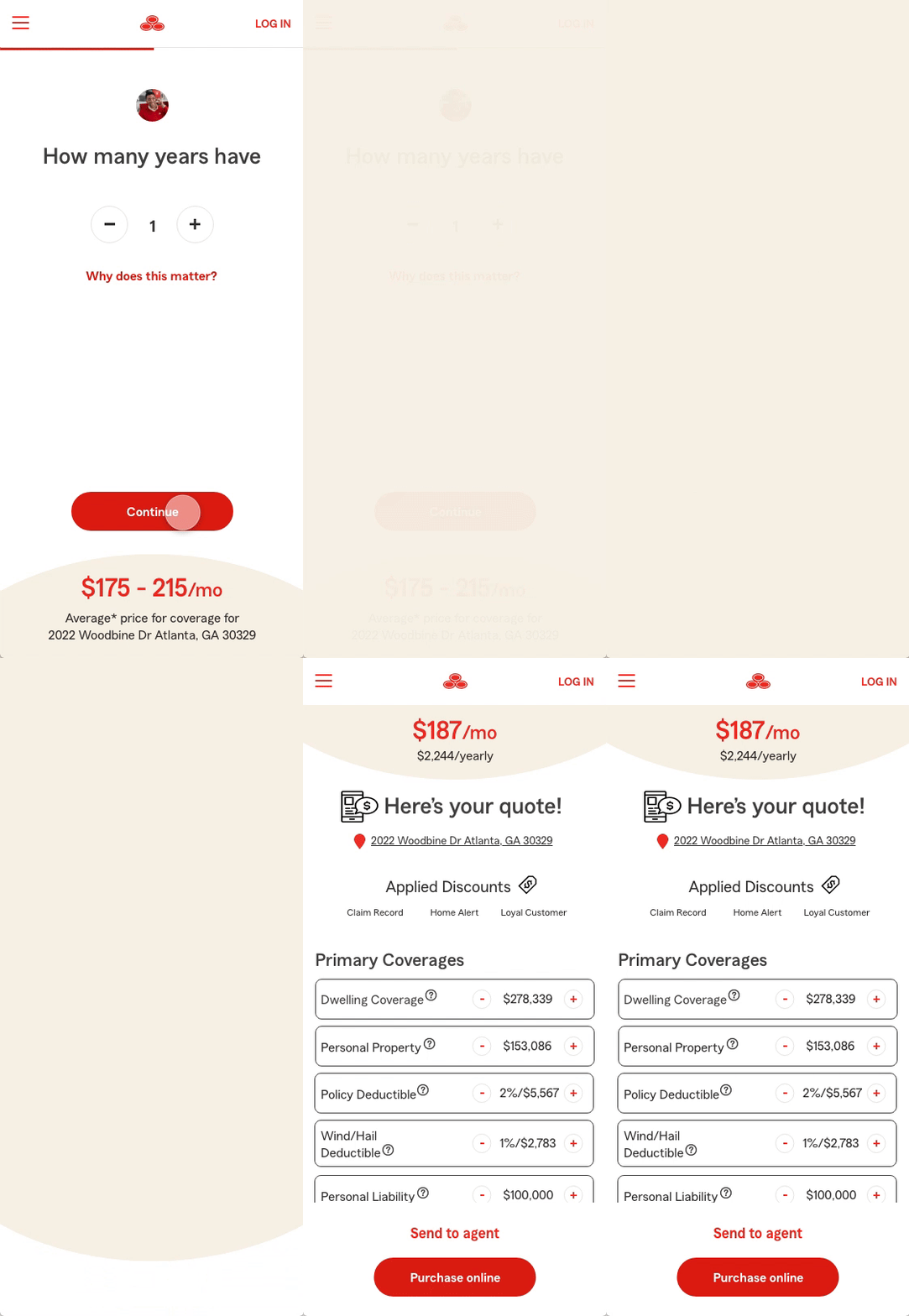
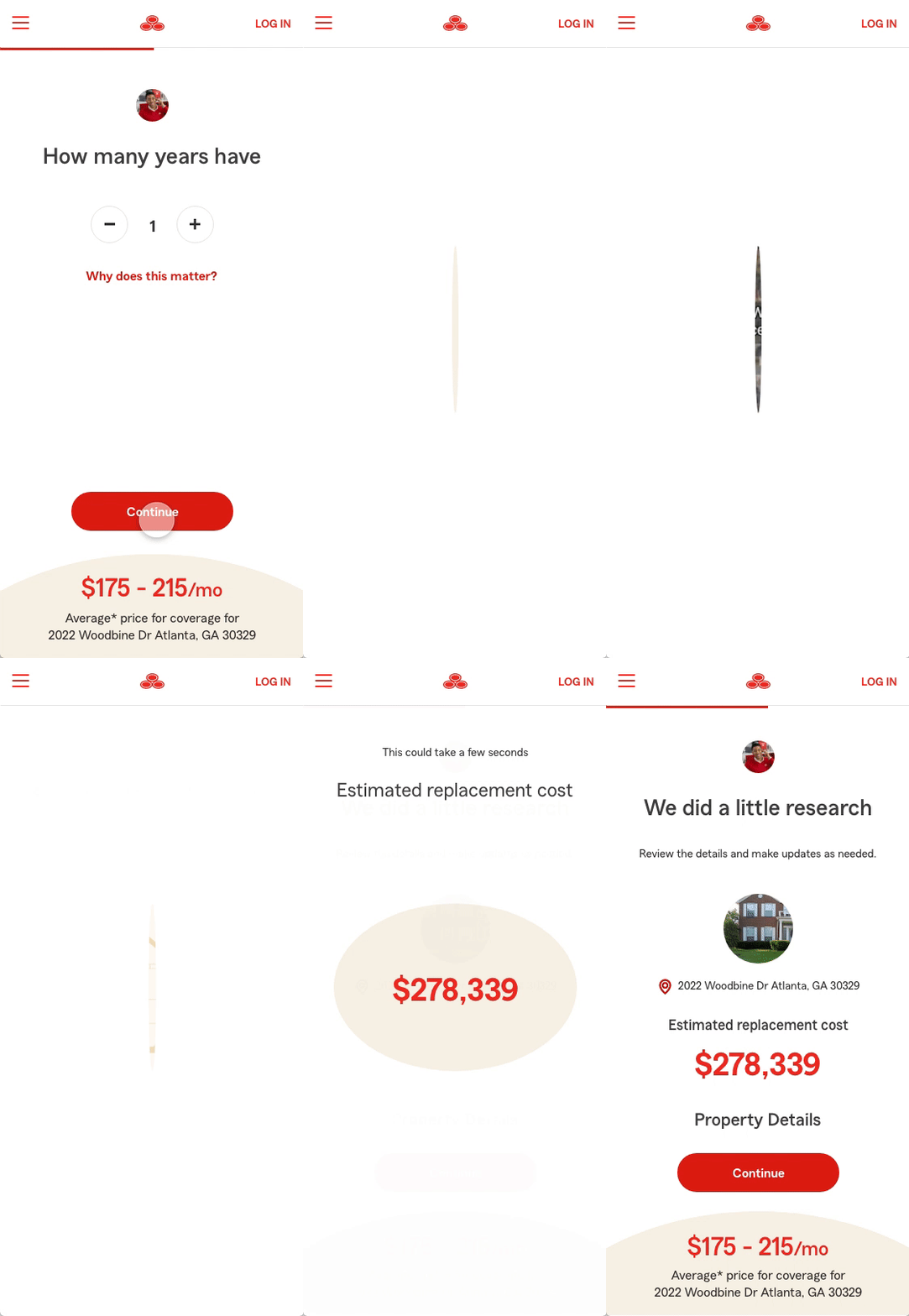
The goal was a quote flow that felt fast, intuitive, and accessible. Interaction patterns were explored in high-fidelity GIFs and validated through rigorous testing before expanding the design system.

Validation: High-Velocity Feedback
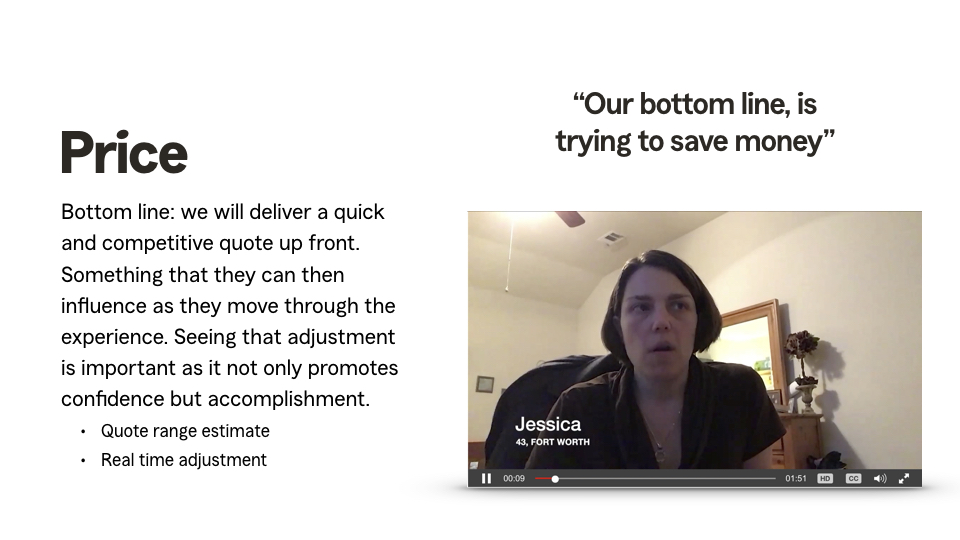
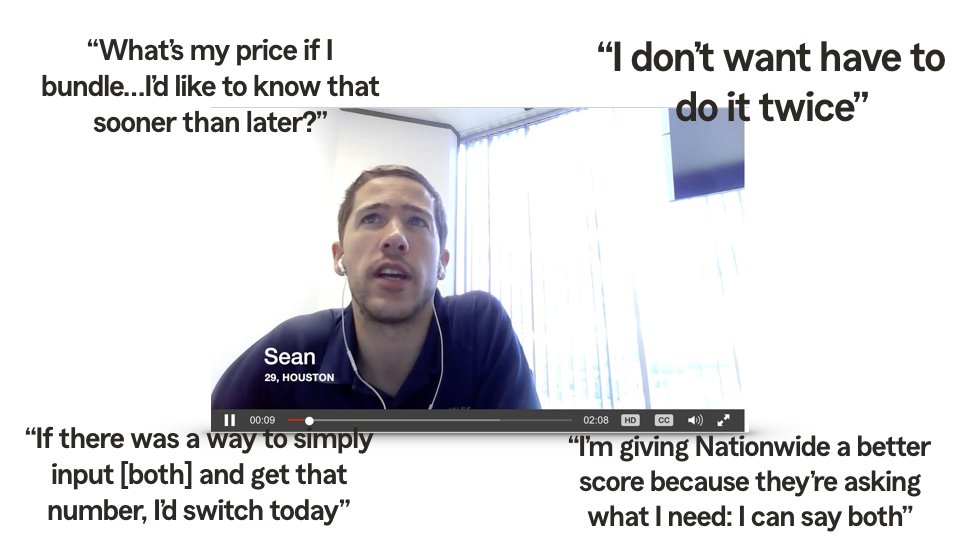
Responsive viewports were stress-tested through task-based sessions in InVision. By utilizing a “Feedback Friday” rhythm, the team synthesized findings from UserTesting.com to apply targeted adjustments as the experience continued to evolve.
Final Output: A Unified Onboarding Ecosystem
The result was a performance-minded, responsive quote experience optimized for content clarity and conversion across every responsive breakpoint.